



Description
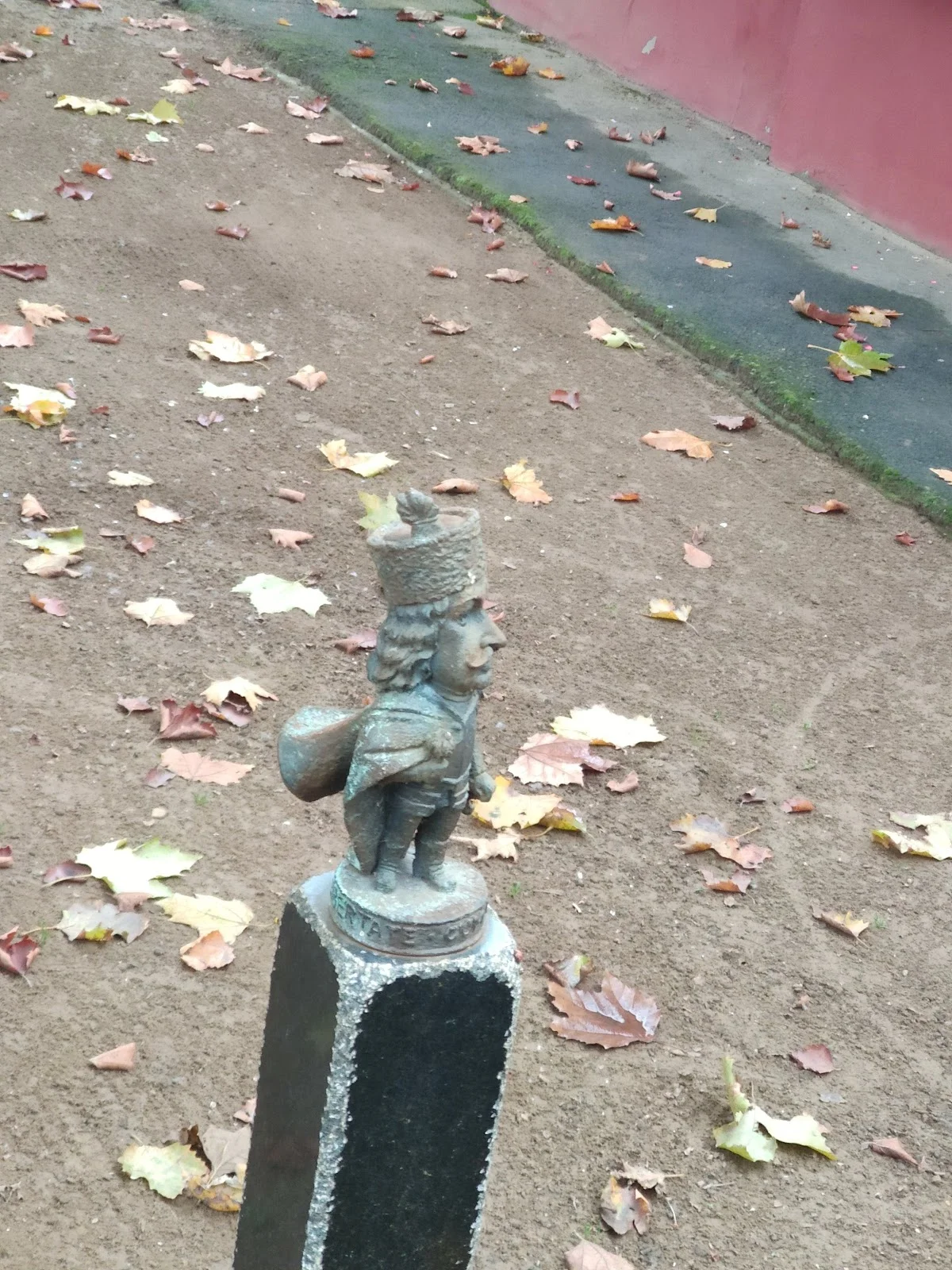
The small bronze statue stands on a thick, stepped artificial stone pedestal. The figure depicts the prince in traditional Kuruc attire, complete with a cloak and a feathered cap. Kolodko’s signature style is reflected in the softly sculpted, chubby, and jovial facial features. Rather than emphasizing power or martial glory, the sculpture highlights the human, approachable, and friendly side of the historical character.
Story
Known for his guerrilla sculptures and public art pieces in Budapest, Mihály Kolodko personally visited Geszteréd in October 2018 to surprise the local community. This was not a street art stunt; the artist brought the bronze sculpture as a personal donation and gift. The Szent Anna Kindergarten was chosen because the sculptor wanted children to engage with one of the greatest figures in Hungarian history in a direct, lovable format from an early age.
Fun facts
- • Proportions as Design: The statue’s head is intentionally oversized compared to its body, mimicking the style of classic cartoons and caricatures to soften the stern image of historical figures.
- • A Kolodko Duo in the Village: Geszteréd is one of the few small villages that boasts two Kolodko pieces; just a few steps away from the Rákóczi statue stands the "Geszteréd Triple Csárdás" mini statue, paying tribute to the local folk dance heritage.
- • Hidden Location: While most Kolodko statues hide in plain sight on public streets, this artwork decorates the inner yard of an institution, making it a sort of exclusive, protected treasure.


